
 By Ben Luthi
How Do Fed Rate Cuts Impact Personal Loans?
By Ben Luthi
When the Federal Reserve cuts interest rates, it can lead to lower borrowing costs for consumers. Fed rate cuts make borrowing cheaper for banks, which often results in lower interest rates on new personal loans.
However, if you already have a personal loan, Fed rate cuts won't change your monthly payment or interest rate since most personal loans have fixed rates. Here's what you need to know.
What Is the Federal Reserve?
The Federal Reserve is the central bank of the United States. Its primary responsibility is managing the country's monetary policy to promote maximum employment, stable prices and moderate long-term interest rates.
The Fed's Federal Open Market Committee (FOMC) meets regularly to set the federal funds rate, which is the interest rate banks charge each other for overnight loans. When the Fed raises or lowers this rate, it influences borrowing costs throughout the economy, including interest rates on credit cards, auto loans and personal loans.
The Fed adjusts rates based on economic conditions. When the economy is overheating and inflation is rising, the Fed typically raises rates to cool things down. Conversely, when the economy slows or unemployment rises, the Fed may cut rates to encourage borrowing and spending.
Learn more: How the Fed Rate Cut Affects Your Finances
How Do Fed Rate Cuts Impact Personal Loans?
Fed rate cuts affect personal loans, but the impact varies depending on whether you're applying for a new loan or already have an existing one. Understanding this difference can help you make informed borrowing decisions.
How Fed Rate Cuts Impact New Personal Loans
When the Fed cuts rates, lenders typically lower their interest rates on new personal loans because their own borrowing costs decrease. However, this doesn't happen immediately or uniformly across all lenders.
That's because lenders consider multiple factors when setting personal loan rates, including costs, lender profit margins and economic conditions. As a result, you may not see the full effect of Fed rate cuts reflected in your loan offers right away.
How Fed Rate Cuts Impact Existing Personal Loans
The vast majority of personal loans come with fixed interest rates, meaning your rate stays the same from the day you take out the loan until you pay it off completely. This predictability is one of the advantages of personal loans over variable-rate products like credit cards or home equity lines of credit.
However, this fixed rate can be a disadvantage when rates fall. If your lender starts lowering rates for new borrowers after you've taken out your loan, you'll continue paying the higher rate you originally agreed to.
The only way to benefit from lower rates is to refinance your existing loan, which involves applying for a new personal loan to pay off your current one. Keep in mind that taking out a new personal loan may come with origination fees that could offset some of the savings from a lower rate.
Find a personal loan matched for you
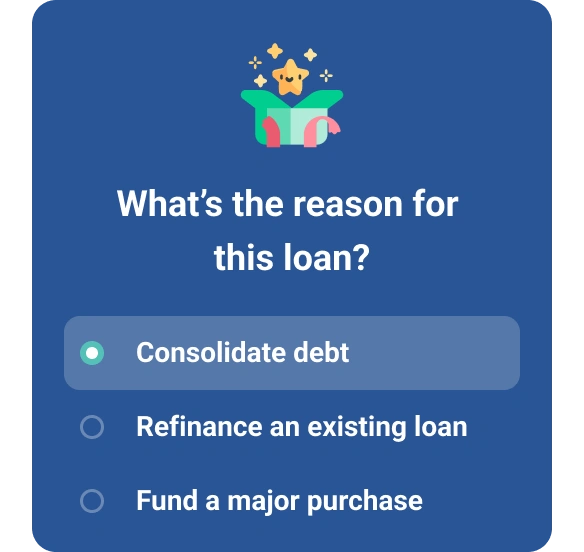
Let us know what type of loan you’re looking for from a list of options.
Tell us your income and address—then verify everything is correct.

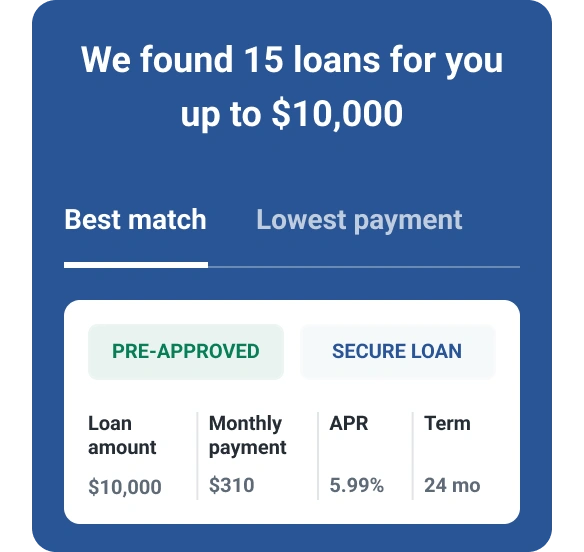
See and compare your best loan offers with no impact to your credit.
Are Personal Loan Rates Expected to Increase or Decrease?
Personal loan rates are expected to decline gradually in 2026. The Fed's December 2025 projections indicate a likelihood of one or two additional rate cuts throughout the year, which will eventually trickle down to new personal loan borrowers. That said, there's no guarantee, as some FOMC members anticipate no cuts.
Several factors will influence the direction of the federal funds rate, and therefore, personal loan rates. Inflation concerns remain a consideration, particularly as tariffs raise costs for basic items, which could limit how quickly rates fall. Additionally, the strength of the labor market and overall economic growth will play significant roles in the Fed's decision-making process.
Keep in mind, though, that the rate you'll qualify for depends on your credit profile and the lender you choose. Borrowers with excellent credit can access the most competitive rates, sometimes in the single digits. However, many lenders charge rates upwards of 35% for borrowers with poor or fair credit.
Learn more: What Is a Good Interest Rate on a Personal Loan?
How to Get the Best Rate on a Personal Loan
Getting the best possible rate on a personal loan requires preparation and smart shopping. Here are strategies to help you secure lower rates:
- Improve your credit score. Your credit score is one of the most important factors lenders consider when determining your interest rate. Pay your bills on time, reduce your credit card balances and check your credit reports for areas needing improvement before applying.
- Shop around and compare lenders. Different types of lenders offer different rates, so getting quotes from multiple sources ensures you're getting the best deal. Many lenders allow you to prequalify with a soft credit check that won't impact your credit score.
- Consider a shorter loan term. Shorter loan terms generally come with lower interest rates because they pose less risk to lenders. While your monthly payment will be higher, you'll pay less in total interest over the life of the loan.
- Apply with a co-borrower. Adding a co-borrower with good credit can help you qualify for a lower rate, especially if your credit history is limited. Keep in mind, though, that both borrowers are equally responsible for repaying the loan.
- Look for relationship discounts. Many lenders offer rate discounts to existing customers or those who set up automatic payments. This discount is typically 0.25 percentage points.
If you want to check rates with multiple lenders at once, consider registering with Experian to get matched with offers based on your credit profile.
Take Control of Your Borrowing Costs
Fed rate cuts provide opportunities for lower borrowing costs, but they're not the only factor that determines your personal loan rate. Your credit score, the lender you choose and your overall financial profile all play crucial roles in the rate you'll receive.
If you're considering a personal loan, now is a good time to check your credit score and compare offers from multiple lenders. With Experian's free credit monitoring service, you can evaluate your Experian credit report and FICO® ScoreΘ, and get credit insights and real-time alerts. This resource can make it easier to track your progress as you work to improve your score and qualify for better rates.
Need a personal loan?
Whether you're looking to eliminate debt or access cash fast, compare personal loan offers matched to your credit profile.
Start now for free
About the author
Ben Luthi
Ben Luthi has worked in financial planning, banking and auto finance, and writes about all aspects of money. His work has appeared in Time, Success, USA Today, Credit Karma, NerdWallet, Wirecutter and more.
Read more from Ben