
Who Can Help Me Build My Credit?

You don't need to hire a company or work with anyone else to build credit because there are many strategies you can implement on your own to build your score. These include applying for a secured credit card or credit-builder loan, joining a loved one's credit card account as an authorized user and using free services to check your credit scores regularly.
Here's what to know about building credit for free on your own.
Do I Need Someone to Help Me Build My Credit?
There's no benefit to hiring a company to help build your credit. You can take all the steps that will lead to a good credit score yourself, including:
- Making on-time payments on loan and credit card accounts
- Limiting debt
- Applying only for the credit you need
- Keeping old accounts open
Learn more: What Affects Your Credit Scores?
Do Credit Repair Companies Work?
You may be approached by credit repair companies that promise to dispute errors on your credit report, monitor your credit score or interact directly with creditors on your behalf for a fee. But their services are expensive, and the advertised credit repair outcomes aren't guaranteed. In nearly all cases, you can improve your credit for free: You have the right to dispute inaccurate credit report information online with the credit bureaus and take additional steps to strengthen your credit yourself.
Building credit takes time, and no for-profit company can speed that process up with secret or back-door strategies that you wouldn't be able to implement yourself.
Tip: One option that may help you pay down debt and, by extension, improve your credit is a debt management plan (DMP). A DMP is a legitimate fee-based service offered by nonprofit credit counseling agencies. But they're not for everyone; you can also work to get out of debt on your own.
Learn more: How to Get Out of Debt
Get your FICO® ScoreΘ for free
Sign up and get instant online access to your FICO® Score for free.
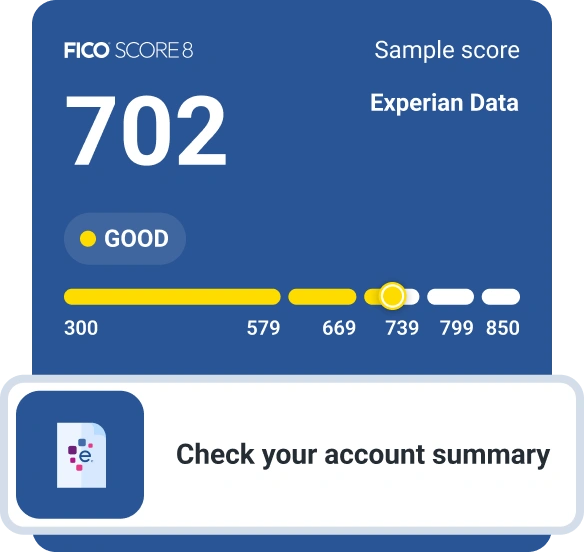
Checking your own credit won’t lower your credit scores.
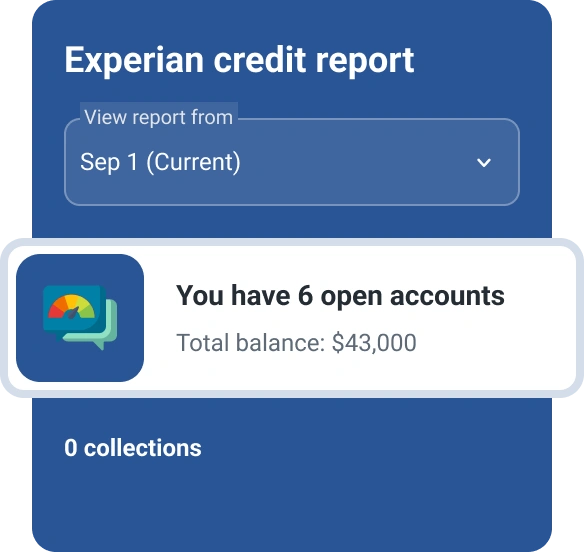
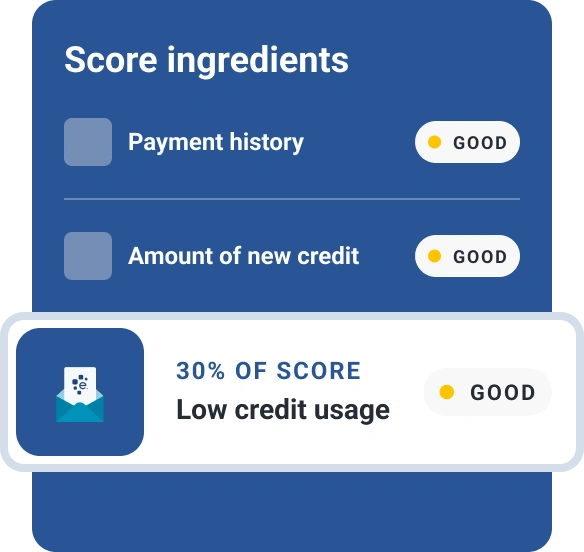
View specific factors that are affecting your score and how to improve it.
How to Build Credit
Here are some ways to bolster your credit file.
Become an Authorized User
If there is someone in your life with excellent credit who's willing to help you build yours, ask to be added as an authorized user to their credit card account. You'll get your own credit card with your name on it, and you can make purchases—but you won't be ultimately responsible for paying them off. That makes it important to confirm with the account holder whether they expect you to contribute to the bill each month.
Tip: Being an authorized user is a good way to kick off your credit journey but isn't as powerful as having your own credit accounts, which would create your own payment history on your credit report.
Get a Secured Credit Card
A secured credit card is a type of credit card that's ideal for those new to credit or rebuilding it, since they're easier to qualify for than typical, unsecured cards. A secured card requires a security deposit, which usually becomes your credit limit—though there are secured credit cards with no deposit requirement.
You'll use the card as you would a traditional credit card, and pay off the entire balance each month to build an on-time payment history and stay out of debt. Many secured card issuers offer the option to upgrade to an unsecured card after a certain amount of time responsibly managing your account.
Learn more: How to Use a Secured Credit Card
Consider a Credit-Builder Loan
An alternative to a secured card if you're not able to provide a security deposit is a credit-builder loan. You can get a credit-builder loan from credit unions, which often have the lowest rates available, in addition to community banks and online lenders.
Here's how a credit-builder loan works: You'll apply for a specific loan amount and term, and the lender will deposit the loan amount in an account. You'll make monthly payments, likely including interest, and at the end of the term you'll receive the funds set aside in the account. The lender reports your payments to the credit bureaus so you build up positive credit history; check to make sure the lender reports to all three credit bureaus so you get the biggest impact possible.
Tip: If you're building credit from scratch and don't yet have a credit report, Experian Go™ can help you get started for free by creating a credit report for you and offering tips on how to establish credit and get your FICO® ScoreΘ.
Practice Good Ongoing Credit Habits
Building credit is not a quick process, but good habits add up. In addition to taking the steps above to initiate positive credit history, be sure to pay attention to the following:
- Pay all bills on time. Payment history is the most important factor in your credit score, accounting for 35% of your FICO® Score. Even one missed payment can damage your credit, and will stay on your credit report for seven years.
- Catch up fast on late payments. Creditors typically report payments as late when they're at least 30 days past due. If you realize you missed a payment before 30 days is up, pay the bill as soon as possible so you can avoid a negative mark on your credit report.
- Keep your oldest accounts open. Another factor in your credit scores is length of credit history, as lenders like to see that you've been able to manage credit for a long time. Avoid closing your oldest credit card accounts if possible, and aim to regularly make small purchases and pay them off to keep the accounts active.
- Check your credit report and score regularly. Make monitoring your credit an ongoing practice. That way, you can catch any inaccuracies on your credit report right away and make changes to your habits so you can strengthen your score. You can check your FICO® Score for free through Experian, or via credit score websites or your credit card issuer or lender if they offer a score monitoring service.
Learn more: Can One 30-Day Late Payment Hurt Your Credit?
Why Is Credit Important?
Credit is important because it's the gateway to achieving financial goals like getting a car loan, a mortgage, a private student loan or even a rental contract with a landlord. Good credit will not only help you qualify for the loans and credit cards you want, but it could get you lower interest rates and fees and higher loan amounts and credit limits when you need them.
You may also encounter employers who check your credit as part of their hiring processes, and insurers that check your credit as part of their determination of your insurance premium (if your state allows it). Finally, good credit can help you avoid having to pay a deposit to sign up for utilities like electricity, gas or water.
Having a good credit score means less stress when you need credit, because you know you'll get access to the financial services you need at more favorable interest rates.
How Long Does It Take to Build Credit?
To build credit from scratch, it will take six months of credit payments reported to the credit bureaus before you'll get a FICO® Score, and about a month before you'll get a VantageScore® credit score. But you'll need at least five credit accounts with on-time payment history to access a range of credit products at attractive interest rates. That means it could take years to build a good credit score and see the benefits.
If you're rebuilding credit after having credit difficulties, you could see improvement within just a few months if the issue was high credit card balances and you pay down that debt. Improvement after bigger challenges like bankruptcy or accounts in collections could take several years. Implementing positive habits such as making all payments on time and staying out of debt will, eventually, limit the impact of negative marks on your credit report.
Frequently Asked Questions
The Bottom Line
It's not necessary to work with a credit repair company or any other for-profit service to build credit. You already have all the tools you need to establish a good credit score, such as the motivation to make credit card and loan payments on time, perhaps with the help of automatic payments from your checking account each month. Stick to the basics, including keeping your credit card balances low and avoiding closing your oldest accounts, and over time you'll likely see the benefits to your credit score.
Instantly raise your FICO® Score for free
Use Experian Boost® to get credit for the bills you already pay like utilities, mobile phone, video streaming services and now rent.
No credit card required

About the author

Brianna McGurran
Brianna McGurran is a freelance journalist and writing teacher based in Brooklyn, New York. Most recently, she was a staff writer and spokesperson at the personal finance website NerdWallet, where she wrote "Ask Brianna," a financial advice column syndicated by the Associated Press.
Read more from Brianna