
 By Ben Luthi
Are Credit Cards Bad?
By Ben Luthi
Quick Answer
- Credit cards aren't inherently bad; ultimately, your experience depends on how you use them.
- Benefits include fraud protection, rewards and credit building.
- Risks include high APRs, overspending and fees.

Credit cards offer numerous benefits and aren't inherently bad. They can allow you to safely make purchases, earn rewards and build your credit. However, they also give you access to a line of credit that often has a high interest rate, so it's important to use them wisely. Here's what you should weigh before applying for one.
Are Credit Cards Good or Bad?
Credit cards have a mixed reputation, and there are good reasons for that. But in the end, they're simply financial tools, and your experience will largely depend on how you use them.
One reason many people steer clear of credit cards is their interest cost. According to September 2026 data from Curinos, the average credit card interest rate is 19.25%. Because credit cards are a form of revolving credit with low minimum payment requirements and no set repayment plan, it's easy to get caught in a vicious cycle of high-interest debt.
But according to the Consumer Financial Protection Bureau (CFPB), 43% of credit card users paid their balance in full each month in 2024. When you take advantage of your grace period in this way, you can avoid interest charges entirely.
Ultimately, the case for or against credit cards changes depending on your actions when using one. So, whether you're thinking about applying for one or writing them off as a bad bet, it's important to weigh both sides against your own circumstances before deciding.
Learn more: How Does Credit Card Interest Work?
Best credit cards of 2026
Compare cards from our partners with intro bonuses, cash back or points offers, and annual fees as low as $0.
Offers from our partners

Citi® Diamond Preferred® Card
Intro APR:0% for 21 months on Balance Transfers and 12 months on Purchases
Ongoing APR:16.74% - 27.49% (Variable)
Rewards:
N/A
Annual Fee:$0

Credit One Bank® American Express® for Rebuilding Credit
Ongoing APR:29.74% Variable
Rewards:
1% (cash back)
Earn 1% cash back rewards on eligible gas, grocery purchases and mobile phone service, internet, cable and satellite TV services, terms apply
Annual Fee:$75 First year. $99 thereafter, billed monthly at $8.25

Avant® Mastercard®
Ongoing APR:29.99%*
Rewards:
N/A
Annual Fee:$0*

Avant® Cashback Rewards Mastercard®
Ongoing APR:35.99%*
Rewards:
1% (cash back)
Cash back will be awarded as points redeemable for a statement credit
Annual Fee:$75*
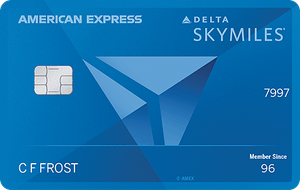
Delta SkyMiles® Blue American Express Card
Intro bonus:
10,000 Miles
Earn 10,000 bonus miles after you spend $1,000 in purchases on your new Card in your first 6 months.
Ongoing APR:19.74%-28.74% Variable
Rewards:
1x - 2x (Miles per dollar)
Earn 2X Miles per dollar at restaurants worldwide, plus takeout and delivery in the U.S. Earn 2X Miles per dollar spent on Delta purchases, and 1X Mile on all other eligible purchases.
Annual Fee:$0
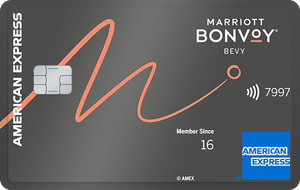
Marriott Bonvoy Bevy® American Express® Card
Intro bonus:
85,000 Bonus Points
Earn 85,000 Marriott Bonvoy® bonus points after you use your new Card to make $5,000 in purchases within the first 6 months of Card Membership.
Ongoing APR:19.74%-28.74% Variable
Rewards:
2x - 6x (Points per dollar)
Earn 6X Marriott Bonvoy® points for each dollar of eligible purchases at hotels participating in Marriott Bonvoy®. Earn 4X points at restaurants worldwide and U.S. Supermarkets (on up to $15,000 in combined purchases at restaurants and U.S. supermarkets per calendar year, then 2X points). Earn 2X points on all other eligible purchases.
Annual Fee:$250
BankAmericard® credit card
Intro APR:0% Intro APR for 21 billing cycles for purchases, and for any balance transfers made in the first 60 days
Ongoing APR:15.24% - 26.24% Variable
Rewards:
N/A
Annual Fee:$0
BankAmericard® secured credit card
Ongoing APR:XX.XX% Variable
Rewards:
N/A
Annual Fee:$0
See all our best credit cards for 2026.
Benefits of Credit Cards
Many credit cards offer benefits and perks that make them a good option for everyday purchases, and sometimes for making larger purchases as well.
Fraud Protection
Most credit cards offer zero liability protection. If someone steals your credit card or gets hold of your card's information from a data breach, you generally won't be responsible for the transactions you didn't authorize.
Although many debit cards offer similar protections, using a credit card might be better because the card isn't tied directly to your bank account. As a result, you won't need to wait for a bank to reimburse you if you have to dispute fraudulent transactions.
Rewards and Cardholder Perks
Credit cards often offer cash back, points or miles on your purchases. Depending on the card, you might be able to earn 1% to 6% back in the form of rewards on your purchases—and sometimes even more depending on the purchase and how you redeem the rewards.
Some cards also offer cardholder perks that can help you save money or time, or benefit you in other ways, such as:
- Statement credits after making specific purchases
- Purchase protections and extended warranties
- Travel insurance and protections
- Cellphone protection
- Elite status in loyalty programs
- Access to airport lounges
- Free hotel nights or airline companion passes
You can compare credit cards' benefits before applying to see which cards offer perks that align with your lifestyle. Credit card benefits can also change over time, so try to review your card's benefits to make sure you're not missing out.
Promotional Interest Rates
Some credit cards offer a promotional interest rate, such as an intro 0% annual percentage rate (APR) on purchases or balance transfers.
The promotional rate only lasts a limited time (generally six to 21 months), and the card's standard interest rate could apply to any remaining balances. However, the promotional rate could still make a credit card a good option for financing large purchases.
Review the promotion's terms before opening a card for a large purchase. In particular, store credit cards often offer deferred interest instead of an intro 0% APR. With deferred interest offers, all the interest that accrues since your purchase gets added to your balance if you don't pay off the card before the promotional period ends.
Reminder: Even if your card doesn't come with an intro 0% APR promotion, you can still avoid interest charges by paying your balance in full every month.
Building Credit
Most credit card issuers will report your credit card to all three major credit bureaus—Experian, TransUnion and Equifax. Your credit card can then be included in your credit reports and affect your credit scores.
A credit card can help your credit in many ways, especially if you keep the card open, pay your monthly bill on time and only use a small portion of your card's credit limit.
Learn more: How to Use a Credit Card to Build Credit
Drawbacks of Credit Cards
In spite of the many potential benefits they offer, the convenience of credit cards can also be a negative. Average credit card balances reached $6,659 in March 2026—a 0.6% increase from the previous year, according to Experian data.
High and Variable Interest Rates
Credit cards often have high interest rates and a variable APR, meaning the rate can change at any time. If you don't pay your statement balance in full, and you don't have a promotional rate, the carried-over balance starts to accrue interest. Additionally, new purchases will start to accrue daily interest immediately.
For larger expenses, a personal loan or home equity line of credit may offer a lower rate. And buy now, pay later financing might be less expensive for smaller purchases, especially if you can't pay off what you owe quickly.
Temptation to Overspend
It's easy to borrow money when you have a credit card, especially if the card is saved on your computer, phone or in another digital wallet. The availability can lead to impulse purchases and overspending, possibly forcing cardholders to decide between paying for household necessities and paying off their credit card bill.
Household necessities rightfully take priority, but that's also how you can wind up carrying a balance and accruing interest.
Can Hurt Your Credit
Although credit cards can help you establish and improve your credit, they can also hurt your credit in different ways if you're not careful.
When you first apply for a card, the resulting hard inquiry and having a brand-new account in your credit report could hurt your scores a bit. Using a large portion of your card's available credit can also lead to a high credit utilization rate—lower utilization rates are best for your scores.
Missing your minimum payment by at least 30 days can cause credit scores to drop significantly. And if you don't bring your account current, the card issuer may send your account to collections. It takes seven years for the resulting negative marks to fall off your credit reports.
Fees
Credit card fees can quickly add up and catch you off guard. While some are just part of having a credit card, be sure you understand how the following fees work and when they might apply:
Most of these fees depend on how you use and manage your card and are, therefore, avoidable. The annual fee is an exception, although there may be ways to get the fee waived or refunded. There are also many great cards with no annual fee at all.
How to Use Credit Cards Responsibly
Responsible credit card use comes down to a short list of habits, some of which you can automate. Here are some steps you can take to take advantage of the benefits credit cards have to offer while limiting the risks:
- Pay your statement balance in full. Most cards give you a grace period, and paying the full statement balance by the due date lets you avoid interest on new purchases entirely. Carrying a balance forward ends that grace period, and interest then accrues on new purchases from the day you make them.
- Pay on time, every month. Payment history is the largest factor in your FICO® ScoreΘ, at about 35% of the calculation. Setting up autopay for at least the minimum payment protects you from a missed due date, and you can even set it up to pay your full statement or current balance.
- Keep your credit utilization low. Utilization measures how much of your available credit you're using, and it helps make up about 30% of your FICO® Score. Keeping your utilization rate below 30% avoids the worst of the damage, and single-digit utilization is better still.
- Track your spending. Reviewing your transactions weekly can help you monitor where your money is going and spot fraudulent charges. It's also important to follow a budget that treats what you put on your credit cards as money already spent, no matter what your bank account balance looks like. Consider using a budgeting app to make it easier to see all of your balances and transactions in one place.
- Read the terms before you apply. The APR, annual fee and any promotional period are all detailed in the card's disclosures; knowing them upfront tells you what the card really costs.
Find the Right Match for You
If you think the benefits of a credit card can outweigh the drawbacks, it's time to figure out which card will be best. Whether you're looking to earn travel rewards, finance a purchase or build your credit, there are credit cards that align with your goals. But your credit score can affect your options. Using Experian's credit card marketplace, you can get matched with card offers from our partners based on your unique credit profile.
Don’t apply blindly
Apply for credit cards confidently with personalized offers based on your credit profile. Get started with your FICO® Score for free.
See your offers
About the author
Ben Luthi
Ben Luthi has worked in financial planning, banking and auto finance, and writes about all aspects of money. His work has appeared in Time, Success, USA Today, Credit Karma, NerdWallet, Wirecutter and more.
Read more from Ben