
 Edited by Michelle Tipsword
What Is a Credit Card Annual Fee?
Edited by Michelle Tipsword
Quick Answer
- A credit card's annual fee is a yearly cost some card issuers charge to keep your account open and access value and benefits.
- Unless the perks of the card outweigh the cost of the annual fee, it may be best to opt to switch to a card with no annual fee instead.

A credit card annual fee is the yearly cost you pay for a specific card. While taking on an additional cost may sound unappealing, many annual fee credit cards offer rewards and benefits that outweigh the cost if you use them regularly. Understanding how annual fees work can help you decide whether paying one makes sense.
What Is an Annual Fee on a Credit Card?
A credit card's annual fee is a yearly cost some card issuers charge to keep your account open. Annual fees can range from $95 to $895 depending on the card's features and perks. Some credit cards refer to the annual fee as an annual membership fee, particularly premium rewards cards that include ongoing benefits.
Some credit cards may also charge an additional annual fee for authorized users or additional cards on your account.
Best credit cards of 2026
Compare cards from our partners with intro bonuses, cash back or points offers, and annual fees as low as $0.
Offers from our partners

Revel® Platinum Mastercard®
Ongoing APR:35.90% Fixed
Rewards:
N/A
Annual Fee:$49 - $125

FIT™ Platinum Mastercard®
Ongoing APR:35.90% Fixed
Rewards:
N/A
Annual Fee:$99 first year; $125 thereafter

Credit One Bank® Secured Card
Ongoing APR:29.74% Variable
Rewards:
1% (cash back)
Earn 1% cash back rewards on eligible gas, grocery purchases and mobile phone, internet, cable and satellite TV services. Terms apply.
Annual Fee:$0

Costco Anywhere Visa® Card by Citi
Ongoing APR:18.99% - 26.99% (Variable)
Rewards:
1% - 5% (cash back)
Earn 5% cash back rewards on gas at Costco and earn 4% cash back on other eligible gas and electric vehicle (EV) charging purchases for the first $7,000 combined spend per year, and then 1% thereafter. 3% cash back on restaurants and eligible travel purchases and eligible travel, including Costco Travel. 2% cash back on all other purchases from Costco and Costco.com. 1% cash back on all other purchases.
Annual Fee:$0
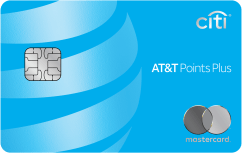
AT&T Points Plus® Card from Citi
Intro bonus:
$200
Earn a $200 statement credit after you spend $1,000 on purchases in the first 3 months of account opening.
Ongoing APR:19.74% - 27.74% (Variable)
Rewards:
1x - 3x (Points per dollar)
Earn 3 ThankYou® Points for every $1 spent at gas and EV charging stations. Earn 2 ThankYou® Points for every $1 spent at grocery stores and 2 ThankYou® Points for every $1 spent on AT&T products and services. Earn 1 ThankYou® Point for every $1 spent on all other purchases.
Annual Fee:$0

Credit One Bank® Wander® American Express® Metal Card
Ongoing APR:29.74% Variable
Rewards:
1% - 10% (cash back)
Earn 5% cash back rewards on eligible dining, gas, & travel purchases, 1% cash back rewards on all other purchases, and 10% cash back rewards on eligible hotel and car rentals booked using the Credit One Bank travel partner. Cash back rewards will be awarded as rewards points redeemable for a statement credit, gift cards, travel, and more. Terms apply.
Annual Fee:$95

Credit One Bank® Premier American Express® Unlimited Rewards Card
Ongoing APR:29.74% Variable
Rewards:
1% (cash back)
Earn unlimited 1% cash back rewards on all purchases, terms apply
Annual Fee:$0
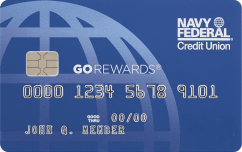
GO REWARDS® Credit Card
Ongoing APR:9.99% - 18% Variable
Rewards:
1x - 3x (Points per dollar)
When you open a GO REWARDS account, you'll earn 3x points on restaurants, 2x points on gas and 1x point on everything else
Annual Fee:$0
See all our best credit cards for 2026.
Why Do Credit Cards Charge Annual Fees?
Credit cards charge annual fees to help offset the cost of offering rewards, benefits and other cardholder features, including:
- Premium rewards: Higher welcome bonuses and higher cash back, points or miles rates
- Travel perks: Airport lounge access, travel insurance and TSA PreCheck or Global Entry application fee credits
Some credit cards designed for people with bad credit also charge annual fees. With these cards, the annual fee may help offset the higher lending risk. Many credit-building credit cards don't charge annual fees, so it's worth comparing your options before applying.
Do All Credit Cards Have Annual Fees?
Many credit cards don't charge an annual fee, including:
Even without an annual fee, these credit cards can still provide value through rewards, 0% intro annual percentage rate (APR) offers and other benefits.
When you're shopping for a new credit card, check the Schumer Box for pricing information to learn whether it comes with an annual fee.
Learn more: Common Credit Card Fees
When Do You Pay an Annual Fee on a Credit Card?
The annual fee is usually charged shortly after you open your account and appears on your first billing statement. Some card issuers charge the fee immediately when you activate it or after you make your first purchase.
Even if you don't use the card right away, you'll have a payment due since the annual fee has been added to your balance. Be sure to make at least the minimum payment on time to avoid late payment fees and hurting your credit scores. Note that interest can accrue on the annual fee just like any other transaction.
After the first year, the annual fee is typically billed every 12 months on your account anniversary. As your card anniversary approaches, it's worth considering whether you're getting enough value from the card, especially if the annual fee has increased since you first got it.
Are Credit Card Annual Fees Worth It?
Whether an annual fee is worth it depends on whether the value of the rewards and benefits exceed the cost of the fee. The trade-offs depend on your spending habits, goals for the card and benefits you prefer.
The annual fee may be worth it if:
- You spend enough to earn rewards. If you spend heavily in the card's bonus categories, you can earn enough rewards to offset the annual fee.
- You can earn a large intro bonus. Some credit cards offer intro bonuses that can easily offset the first year's annual fee if you meet the spending requirement.
- The card offers statement credits. Some cards offer statement credits for certain benefits and offers such as travel, dining and food delivery, streaming services and rideshare services. If you use these services regularly, the credits can offset most or even all of the annual fee.
- You'll use the cardholder benefits. Some benefits don't have a specific dollar value but can still save money or improve your travel experience.
An annual fee may not be worth it if:
- The card doesn't offer many extra perks.
- You rarely use the card.
- You don't take advantage of the benefits.
- You can get the same benefits from a different card that has a lower or no fee.
| If You Earn… | Annual Value You Receive | Net Value | Is a $95 Annual Fee Worth It? |
|---|---|---|---|
| $50 in rewards | $50 | -$45 | Likely not |
| $200 in rewards | $200 | +$105 | Possibly |
| $500 in rewards | $500 | +$405 | Likely |
How to Get a Credit Card Annual Fee Waived
If your card anniversary is approaching and you're on the fence about paying the annual fee for another year, try contacting the card issuer to get your fee waived. Let them know you're evaluating the card's benefits and you're not sure you'll keep the card. Some card issuers waive the annual fee as a retention offer. Alternatively, you could be offered bonus rewards, statement credit or another promotional offer.
Tip: If your card issuer offers a no-annual-fee version of the same card, consider downgrading your card or changing to another credit card product. This allows you to keep your account history and avoid the fee.
Learn more: Best No Annual Fee Credit Cards
Frequently Asked Questions
The Bottom Line
If you're considering a credit card with an annual fee, estimate the value you'll receive from the rewards, statement credits and benefits. If paying an annual fee doesn't make sense for you, there are many no-annual-fee credit cards that provide value without increasing your cost.
Not sure what type of credit card is right for you? Experian's card comparison platform can help match you with cards suited for your unique credit profile, and you can compare terms and features before applying.
Don’t apply blindly
Apply for credit cards confidently with personalized offers based on your credit profile. Get started with your FICO® Score for free.
See your offers
About the author

Louis DeNicola
Louis DeNicola is freelance personal finance and credit writer who works with Fortune 500 financial services firms, FinTech startups, and non-profits to teach people about money and credit. His clients include BlueVine, Discover, LendingTree, Money Management International, U.S News and Wirecutter.
Read more from Louis