 By LaToya Irby
Pros and Cons of Balance Transfer Credit Cards
By LaToya Irby
Quick Answer
- Pros of balance transfer credit cards include potential interest savings and faster debt pay off.
- There are also cons, however, which include fees and limited time to repay at low APR.

Balance transfers can help you save on interest and pay off your debt more quickly, but they also come with upfront fees and temporary promotional rates. Understanding the pros and cons of a balance transfer credit card can help you determine whether it's the right strategy for managing your debt.
Pros of a Balance Transfer
A balance transfer can offer several benefits when you're working to pay down high-interest credit card debt.
Save Money on Interest
One of the biggest potential benefits of a balance transfer credit card is saving money on interest. Balance transfer cards often offer a 0% introductory annual percentage rate (APR) for a limited time, allowing you to transfer balances from other credit cards and pay down debt at a lower rate.
You can typically transfer a balance online or by using balance transfer checks sent by your card issuer. Ideally, you'll pay off the transferred balance before the promotional period ends. This can help you maximize your interest savings.
Best balance transfer cards of 2026
Compare balance transfer offers from our partners with 0% APRs and generous introductory periods.
Offers from our partners

Blue Cash Everyday® Card from American Express
Intro bonus:
As High As $200 Cash Back. Find Out Your Offer.
You may be eligible for as high as $200 cash back after spending $2,000 in purchases on your new Card in the first 6 months. Welcome offers vary and you may not be eligible for an offer. Cash back is received as Reward Dollars, redeemable for statement credit or for other select options. Terms Apply.
Intro APR:0% on Purchases and Balance Transfers for 15 months
Ongoing APR:19.74%-28.74% Variable
Rewards:
1% - 3% (cash back)
Earn 3% Cash Back on Groceries at U.S. supermarkets, on up to $6,000 per year in purchases (then 1%). 3% Cash Back on U.S. Online Retail purchases, on up to $6,000 per year in purchases (then 1%) 3% Cash Back on Gas at U.S. gas stations, on up to $6,000 per year in purchases (then 1%) Cash back is received as Reward Dollars that can be redeemed for a statement credit or for other select options.
Annual Fee:$0
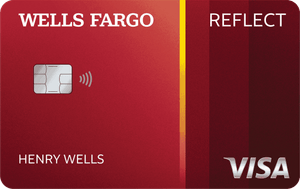
Wells Fargo Reflect® Card
Intro APR:0% intro APR for 21 months from account opening on purchases and qualifying balance transfers
Ongoing APR:17.74%, 24.24%, or 28.49% Variable APR
Rewards:
N/A
Annual Fee:$0
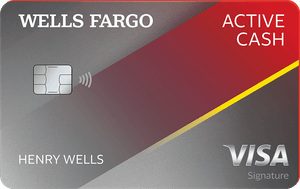
Wells Fargo Active Cash® Card
Intro bonus:
$100
Earn a $100 cash rewards bonus after spending $500 in purchases in the first 3 months.
Intro APR:0% intro APR for 12 months from account opening on purchases and qualifying balance transfers
Ongoing APR:18.74%, 24.74%, or 28.74% Variable APR
Rewards:
2% (Cash Rewards)
Earn unlimited 2% cash rewards on purchases.
Annual Fee:$0

Citi Simplicity® Card
Intro APR:0% intro APR for 18 months from account opening on purchases and qualifying balance transfers
Ongoing APR:17.74% - 28.49% (Variable)
Rewards:
N/A
Annual Fee:$0
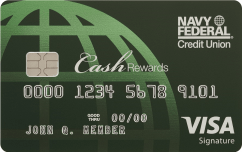
cashRewards Credit Card
Ongoing APR:10.65% - 18% Variable
Rewards:
1.5% (cash back)
When you open a cashRewards account, you'll earn 1.5% cash back on purchases
Annual Fee:$0
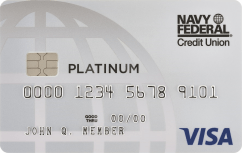
Platinum
Ongoing APR:6.99% - 18% Variable
Rewards:
N/A
Annual Fee:$0
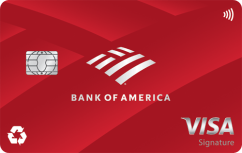
Bank of America® Customized Cash Rewards secured credit card
Ongoing APR:See Terms
Rewards:
1% - 6% (cash back)
Earn 6% cash back for the first year in the category of your choice. You’ll automatically earn 2% cash back at grocery stores and wholesale clubs, and unlimited 1% cash back on all other purchases. After the first year from account opening, you’ll earn 3% cash back on purchases in your choice category. Earn 6% and 2% cash back on the first $2,500 in combined purchases each quarter in the choice category, and at grocery stores and wholesale clubs, then earn unlimited 1% thereafter. After the 3% first-year bonus offer ends, you will earn 3% and 2% cash back on these purchases up to the quarterly maximum.
Annual Fee:$0
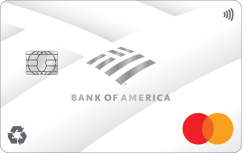
BankAmericard® credit card
Intro APR:0% Intro APR for 21 billing cycles for purchases, and for any balance transfers made in the first 60 days
Ongoing APR:15.24% - 26.24% Variable
Rewards:
N/A
Annual Fee:$0
See all our best balance transfer credit cards for 2026.
Pay Off Debt Faster
A balance transfer credit card can be part of a smart, disciplined strategy for paying off credit card debt. Paying less interest means more of your payment can go toward reducing your principal balance.
Before transferring a balance, review the offer terms and determine when the promotional APR ends. Then calculate how much you need to pay each month to pay off the balance before the promotional period ends.
Tip: Consider automating payments to stay on schedule and avoid missing a payment.
Consolidate Multiple Debts
A balance transfer credit card can also be useful as a debt consolidation tool. You can move from multiple credit cards to a single account, leaving you with just one payment and one due date to manage.
Consolidating balances can simplify your finances and make it easier to keep track of payments.
Cons of a Balance Transfer
Balance transfers have some potential trade-offs to consider.
Balance Transfer Fee
Credit card issuers typically charge a balance transfer fee of 3% to 5% of the amount transferred.
For example, a 3% fee on a $5,000 transferred balance would cost $150. A balance transfer fee can lower your potential savings, so it's important to factor in the fee when you're determining whether a transfer makes sense.
Some cards may have a minimum balance transfer fee or offer a lower fee for transfers made within a certain period after opening the account.
Low Introductory Interest Rate Is Temporary
The promotional APR on a balance transfer card only lasts for a limited time, usually 12 to 21 months depending on the card issuer. If you don't pay off the balance transfer by the end of the promotional period, the standard APR will apply to the remaining balance.
Compare the length of the promotional period with the amount you can realistically afford to pay each month. A longer promotional period may give you more time to pay down the balance before the regular APR applies.
Potential for More Debt
A balance transfer doesn't eliminate your debt. It simply moves it to another credit card. If you transfer a balance and then start using your old cards again, you could end up with new balances in addition to the transferred amount—putting you in a worse situation than before.
Before transferring a balance, consider how you'll avoid creating new credit card debt while paying down the balance.
Credit Qualifications
Balance transfer cards are generally offered to people with good credit. Your credit score can affect whether you're approved and the terms you're offered. Issuers may also consider your income, existing debt and other information when they evaluate your application.
Learn more: Things Lenders Look at Besides Your Credit Score
Purchases May Incur Interest
While the balance transfer may have no interest, the 0% intro APR may not apply to purchases. Depending on the card's terms, new purchases may accrue interest immediately.
If you plan to use the card for purchases, check whether the introductory APR applies to both balance transfers and purchases.
Learn more: How Does Credit Card Interest Work?
May Not Be Able to Transfer All Balances
The credit limit you're approved for may not be high enough to transfer all your existing credit card debt. If this happens, you'll have to decide which balances to transfer and how to handle debt you can't move.
If you can't transfer your entire balances, consider prioritizing balances with the highest interest rates. Then, continue making at least the minimum payment on your other accounts to avoid late payments.
Is a Balance Transfer a Good Idea?
A balance transfer may be a good idea if it ultimately lowers the cost of paying off your credit card debt. Consider a balance transfer if:
- You have good credit. Your credit, debt and income will affect whether you qualify and the terms you're offered. Applying for multiple cards can result in multiple hard inquiries that can affect your credit, so compare offers and check for preapproval before applying.
- You have high-interest rate credit card debt. A balance transfer may help reduce the amount of interest you pay by moving debt from a higher-rate card to one with a lower introductory APR. If your existing credit card rates are relatively low, the balance transfer fee may offset the interest savings.
- You can pay off all or most of the balance transfer during the promotional period. Review your budget to determine how much you can afford to pay each month. You'll get the most value from a balance transfer when you can pay enough to wipe out your balance before the promotional period ends.
- The transfer fee won't eat into your interest savings. Balance transfer fees can be up to 5% of the amount transferred, depending on the card. Calculate the fee before transferring your balance and compare it with the interest you'd pay otherwise to be sure you're actually saving money.
- You can avoid new debt. Transferring a balance frees up available credit on your old account, which can make it tempting to use the card again. Make sure you have a plan to avoid charging up your cards again so you don't end up with the transferred balance and new credit card debt.
How to Do a Balance Transfer
Some card issuers allow you to request a balance transfer when you apply for a new credit card. You may also be able to initiate a transfer after your account is open through your online account or by phone.
Here's how:
- Log in to your credit card account or call your card issuer. Look or ask for the option to transfer a balance.
- Provide details about the account you want to transfer. You'll generally need the account number and the amount you want to transfer. If your new credit limit won't accommodate all the debt you want to transfer, prioritize cards with the highest APRs.
- Continue making payments on your existing cards. Keep making at least the minimum payment on your old accounts until you receive confirmation that the transfer is complete. Transfers can take several days, and sometimes even several weeks.
- Confirm the transfer. Once the transfer is complete, check your old account to verify the balance was transferred. Then, start making payments on your new account once the transfer is complete.
Alternatives to a Balance Transfer
A balance transfer isn't the only way to manage high-interest credit card debt. If you can't qualify for a balance transfer or don't want to take on the risks, there are some alternatives that can help you pay down high interest rate debt.
- Debt payoff plan: Strategies like the debt avalanche or debt snowball can help you pay off your existing credit card balances without taking out a new loan. These strategies involve paying down one credit card at a time with larger payments while making the minimum payment on your other accounts. The debt avalanche focuses on paying off accounts with the highest interest rates first, while the debt snowball has you start with the smallest balances and work up from there.
- Personal loans for debt consolidation: A personal loan can combine multiple debts into one loan with a fixed interest rate and repayment schedule. Compare the loan's APR and fees with the cost of paying off your existing debt.
- Home equity loan: If you own a home with equity and qualify for a loan, you may be able to take out a home equity loan or home equity line of credit (HELOC). Your home is collateral for these loans, so it's important to understand the risks before taking out a loan based on your home equity.
- Debt management plan: A nonprofit credit counseling agency may be able to help you create a payment plan for your debt. In some cases, they can manage your debt pay off through a formalized debt management plan (DMP) with your creditors.
Frequently Asked Questions
The Bottom Line
A balance transfer can help you lower interest and consolidate debt, if you can pay off a significant part of your balance during the promotional period. Before you take advantage of an offer, be sure to consider the balance transfer fee, since it can eat into your interest savings.
You generally need good to excellent credit to qualify for a balance transfer credit card. If you think a balance transfer may be right for you, Experian's credit card comparison platform can help you find the card that best fits your credit profile.
Limited-time offer. Elevate every Hilton stay.
Unlock a world of elevated travel with the Hilton Honors American Express Aspire Card. Earn 200,000 Hilton Honors Bonus Points after you spend $6,000 in purchases within the first 6 months of Card Membership and enjoy premium benefits that make every stay more rewarding. Offer ends 01/13/27. Terms apply.
Learn more
On American Express’ website
Powered by


About the author
LaToya Irby
LaToya Irby is a personal finance writer who works with consumer media outlets to help people navigate their money and credit. She’s been published and quoted extensively in USA Today, U.S. News and World Report, myFICO, Investopedia, The Balance and more.
Read more from LaToya