
8 Ways to Build Credit if You’re New to the U.S.

You can establish credit in the U.S. by becoming an authorized user, opening a secured credit card, getting a credit-builder loan and more. You likely won't have a credit report or score if you're new to the U.S., even if you had credit before moving. Credit from other countries doesn't transfer to the U.S. credit system, so you must typically start from scratch to build credit. Learn how credit works in the U.S. and how new immigrants can start building credit right away.
How Credit Works in the U.S.
A U.S. credit score is a three-digit number, usually ranging from 300 to 850, that lenders use to help assess how likely you are to pay debt. In general, higher scores mean lower risk for potential lenders.
The three major consumer credit bureaus (Experian, TransUnion and Equifax) collect data on how you manage credit accounts and use it to create consumer credit reports. These are primarily built on information from lenders and other companies. Your credit reports may differ depending on whether the lender sends information to one, two or all three credit bureaus.
Credit scoring companies such as FICO and VantageScore® use the information in your credit reports to calculate a credit score. Lenders and credit card issuers use credit reports and scores when deciding whether to approve your application and what terms to offer you.
If you don't have a credit report or have a low credit score, it can be harder to qualify for credit, and you may pay higher interest rates and fees. Information in your credit report can also influence some non-lending decisions, such as whether you can rent a home, whether you need a deposit to open a utility account and how much you pay for car insurance in some states.
Note: Even if you had credit in your home country, you typically have to start over in the U.S., where credit scores are based on your U.S. credit report.
8 Ways to Start Building Credit in the U.S.
Here are some things you can do to establish credit in the U.S.
1. Become an Authorized User on Someone Else's Credit Card
A friend or relative in the U.S. who has a credit card may be able to add you as an authorized user on their account. Look for someone who has a good credit score, pays on time and keeps their card balances low, and make sure the credit card company reports authorized users to the credit bureaus. Even if you don't use the card to make purchases, your credit report will reflect the primary cardholder's positive account history.
Learn more: Will Being an Authorized User Help My Credit?
2. Open a Secured Credit Card
Secured credit cards require a refundable deposit, generally starting at $200, that typically determines your credit limit. The deposit reduces the card issuer's risk, making it easier to qualify without a credit history. Choose a secured card that reports to all three credit bureaus. Use the card for small purchases, and pay the bill on time and in full each month.
Learn more: What Is a Secured Credit Card?
3. Consider a Credit-Builder Loan
Credit-builder loans can help you build credit while saving money. Once you're approved, the loan amount is typically placed in a locked savings account. You repay the loan with interest, typically over six to 24 months, and receive the money at the end of that time.
Learn more: How to Get a Credit-Builder Loan
4. Join a Lending Circle
Lending circles are organizations where members lend money to each other. Every month, each member makes a small contribution, and a different member receives all the money as a loan. Payments are reported to credit bureaus.You can search for nearby lending circles through the nonprofit Mission Asset Fund.
5. Look for Accounts That Use Alternative Underwriting Methods
Some credit card issuers consider information other than your credit report, such as your income or bank account, and require no U.S. credit history or Social Security number. These cards are unsecured, so you don't have to make a security deposit. For example, you can apply for Petal, Zolve and Neu credit cards with an Individual Taxpayer Identification Number (ITIN), passport or visa if you don't have a Social Security number.
Learn more: How to Qualify for New Credit with No Credit Score
6. Try to Use Credit From Your Home Country
In some cases, financial institutions will consider your international credit history. Availability can vary by lender and your home country. For instance, applicants for some Chase credit cards may be able to use their U.K. or Canadian credit history through Chase's partnership with Nova Credit. The American Express Global Card Relationship program allows existing cardholders from select countries to apply for a U.S. credit card using their previous credit history. You can also ask international banks where you have a relationship for recommendations or options.
7. Check With Employers, Banks and Credit Unions
Large employers may partner with financial institutions to help their foreign workers get access to banking and credit services. Ask your human resources department if any such resources exist. You can also ask local community organizations and fellow immigrants about community banks or credit unions that offer special programs.
8. Use Rent Reporting or Experian Boost®ø
Rent and utility payments aren't usually reported to the credit bureaus, but if you pay these bills on time, adding them to your credit report could help build credit. See if you or your landlord can sign up for a rent reporting service that reports your rent payments to credit bureaus. Another option: Sign up for Experian Boost. This free feature adds your eligible rent, insurance, utility, phone and streaming service payments to your Experian credit report, which could help improve your credit scores.
Instantly raise your credit scoresø
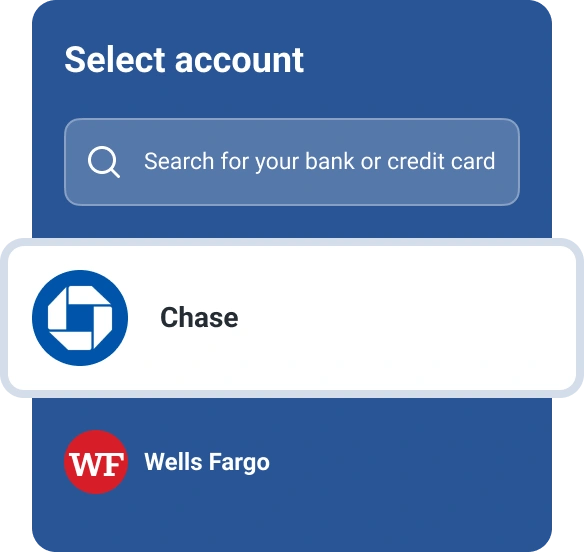
Add any bank accounts you use to pay your bills. Your information remains private.
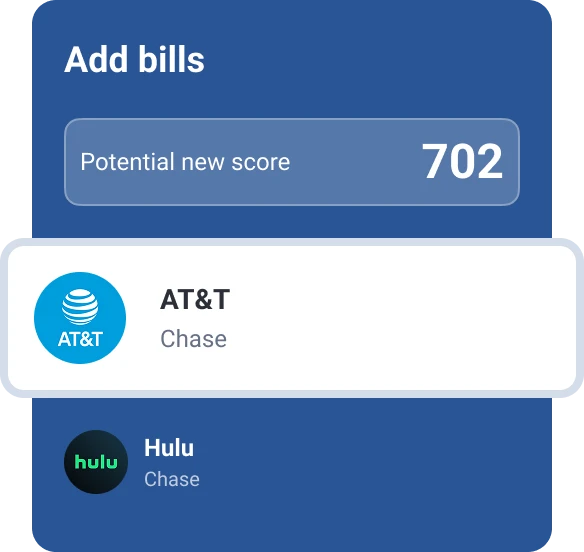
We’ll detect bills with on-time payments, and you can add them to your Experian credit file.
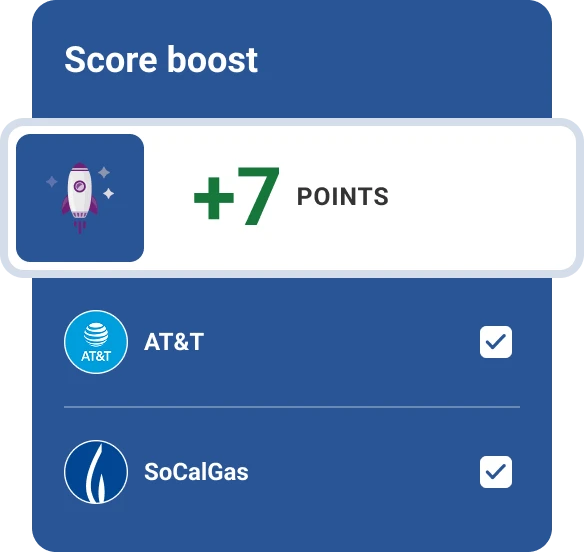
You’ll find out right away if your credit scores increased and by how many points.
How Long Does It Take to Build a Credit Score in the U.S.?
You can get a credit score relatively quickly—as little as one month for a VantageScore credit score, and as little as six months for a FICO® ScoreΘ. However, building good credit typically takes a year or more.
Generating a FICO® Score requires a credit report showing at least one credit account open for six months or more and at least one account that has been reported to the credit bureau within the last six months. Generating a VantageScore credit score requires having one credit account on your credit report.
At first, you'll likely have only a few credit accounts on your credit report. This is known as having a thin credit file and could make it harder to qualify for credit. While there's no way to build credit instantly, becoming an authorized user on a credit card, opening your own credit card and paying the bill on time, and using Experian Boost could help speed up the process.
Learn more: Credit Building for Immigrants: A Step-by-Step Guide
How to Improve Your Credit Score Over Time
Once you have a credit report and credit score, the next step is improving your credit score, which could mean easier access to loans and other financial products. The following habits can help.
- Pay your bills on time. Debt payment history is the biggest factor in your credit scores. Set up reminders or autopayments to avoid missing a due date. If you do miss a payment, try to bring your account current within 30 days. Payments 30 or more days late are typically reported to credit bureaus, which can damage your credit scores.
- Keep credit utilization low. In general, people with the highest credit scores use less than 10% of their available revolving credit. A low credit utilization ratio also makes it easier to pay your bill in full and avoid paying interest.
- Apply for credit sparingly. Credit applications can temporarily lower your credit score. Once you've established credit, applying for credit only when necessary can help you maintain a good score.
- Avoid canceling older credit cards. Assuming the card doesn't charge high fees or encourage overspending, keeping old credit cards open increases your available credit and the average age of your credit accounts, which can benefit your credit score.
Tip: Once you've had a credit card for a while, consider asking the card issuer to increase your credit limit. This can lower your credit utilization ratio, which may benefit your credit score.
Frequently Asked Questions
Build Your Credit and Track Your Progress
Experian Go™ is a useful starting point for building credit when you're new to the U.S. If you have a Social Security number and government-issued ID, just download the Experian app and sign up for a free Experian membership to get started. You'll get guidance on your best path to building credit and getting a FICO® Score.
Once you've established a credit history, free credit monitoring from Experian can help you keep tabs on your credit. You'll be able to track your FICO® Score, receive alerts of important changes to your credit report and get ideas for improving your credit score.
Instantly raise your FICO® Score for free
Use Experian Boost® to get credit for the bills you already pay like utilities, mobile phone, video streaming services and now rent.
No credit card required

About the author

Karen Axelton
Karen Axelton specializes in writing about business and entrepreneurship. She has created content for companies including American Express, Bank of America, MetLife, Amazon, Cox Media, Intel, Intuit, Microsoft and Xerox.
Read more from Karen